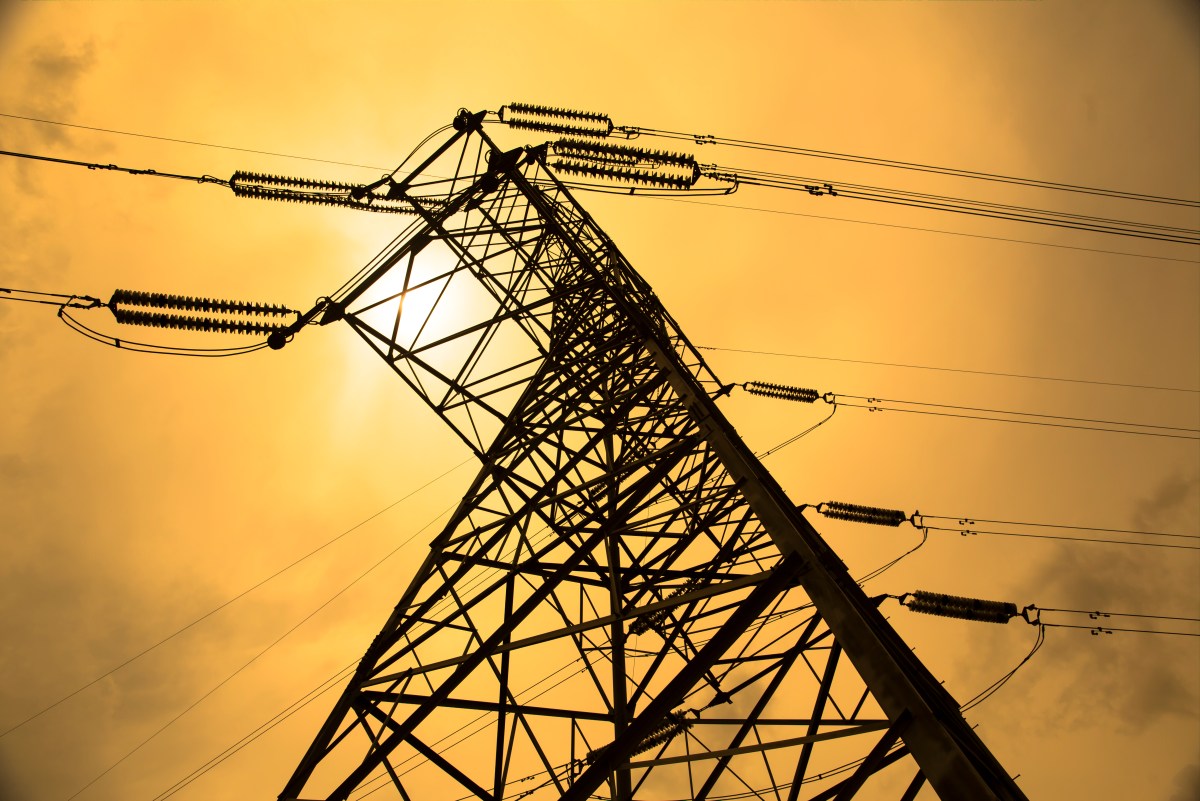
One of the nicest comments people have made about the electrical grid was … nothing. The grid works best when it fades into the background.
That low-profile status has changed in recent years as fires in California and freezes in Texas raised awareness of the electrical grid. But it was in 2025, when the electrical grid — and concerns about demand, supply, pricing, and the strain on natural resources — moved into the spotlight. And a new batch of startups have emerged with a software-as-a-solution pitch.
Electricity rates are up 13% in this U.S. this year driven by an AI boom that has seeped into unlikely places, including repurposing supersonic jet engines for data center duty and working on beaming solar power down from space.
And that pace of growth isn’t expected to slow; the amount of electricity data centers use is projected to nearly triple in the coming decade. That forecast has fueled consumer frustration around pricing and drawn the ire of environmental groups that have called for a nationwide moratorium on new projects. Utilities, which have toiled away in the background, are now scrambling to upgrade the grid and build new power plants that can cope with the load — the fear of an AI bubble bursting always lingering in the background.
This confluence of demand and fear could give software startups a boost in the coming year.
For example, startups like Gridcare and Yottar argue that spare capacity already exists on the grid and that software can help find it.
Gridcare has gathered data on transmission and distribution lines, fiber optic connections, extreme weather, and even community sentiment to optimize the search for new locations and convince utilities the grid can handle it. Already, the company says it has found several such sites that have been overlooked. Yottar finds places where known capacity exists and overlaps with the needs of medium-size users, helping them quickly connect amidst the data center boom.
Techcrunch event
San Francisco
|
October 13-15, 2026
Several other startups are using software to stitch together massive fleets of batteries scattered across the grid. Those startups can turns these fleets into virtual power plants to deliver power to the grid when it’s needed most.
Base Power, for example, is building one in Texas by leasing batteries to homeowners at relatively low prices. Homeowners can use the batteries for backup power in case of outages, while Base can tap into them to prevent outages by selling the aggregated capacity to the grid. Terralayr is doing something similar, though it doesn’t sell batteries itself. Instead, Terralayr uses software to bundle distributed storage assets already installed on the German grid.
Other startups including Texture, Uplight, and Camus are developing software layers to integrate and coordinate distributed energy sources like wind, solar, and batteries. The hope is that by orchestrating various assets, they will idle less and contribute more to the grid.
There’s also some hope that software can help modernize some of the more outdated parts of the grid.
Nvidia, for example, has partnered with EPRI, a power industry R&D organization, to develop industry-specific models in the hopes they will improve efficiency and resiliency. Meanwhile, Google is working with the grid operator PJM to use AI to help sift through its backlog of connection requests from new sources of electricity.
These changes won’t happen overnight, but 2026 could be the year when they begin to take hold.
Utilities tend to be slow to adopt new technologies because of concerns about reliability. But they’re also slow to invest in new infrastructure because it’s costly and long-lived. Ratepayers and regulators have been known to balk when such projects begin to affect affordability.
Software, though, is cheaper, and if it can clear the reliability hurdle, the companies offering it will have a good chance of gaining traction.
And that could benefit more than the startups hawking software. Ultimately, the grid is going to need some refurbishment and expansion. Given the number of planned data centers and the electrification of broad swathes of the economy, including transportation, heating, and more, we will need more power. It would be foolish to ignore the power of software in these instances. It’s cheap, flexible, and speedy to deploy.
