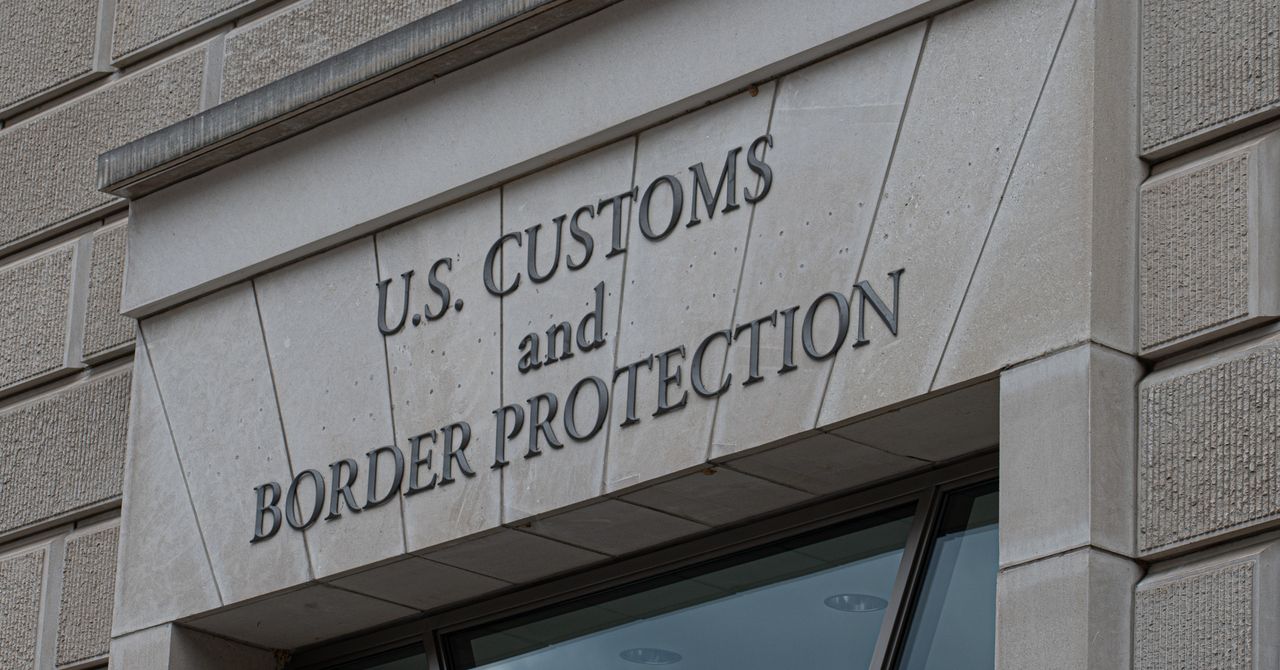
A user on Quizlet, an online learning platform, created a public flashcard set in February that appears to have exposed highly confidential information about security procedures in US Customs and Border Protection facilities around Kingsville, Texas.
The Quizlet set, titled “USBP Review,” was available to the public until March 20, when it was made private less than half an hour after WIRED messaged a phone number potentially linked to the Quizlet user. Though an individual with the user’s name was listed at an address of an apartment less than a mile from a Kingsville CBP facility, WIRED has not been able to verify that the flashcard set was created by an active CBP agent or contractor.
“This incident is being reviewed by CBP’s Office of Professional Responsibility,” a CBP spokesperson wrote in a statement to WIRED. “We will not be getting ahead of this review. A review should not be taken as an indication of wrongdoing.”
The Department of Homeland Security and Immigration and Customs Enforcement did not respond to a request for comment.
If the Quizlet set was created by an individual associated with CBP, it represents a serious breach in security for an agency created to “safeguard the American homeland.”
The public Quizlet set contained information about alleged codes for specific facility entrances. “Checkpoint doors code?” asked one card, with a specific four-digit combination listed in response. Another asks for the code of a specific gate at the facility, again with an exact combination listed as the answer. Two other gate codes were described in this manner, but WIRED is not using the gate names, because it is unclear if they are confidential.
Another series of cards described certain immigration offenses and related federal charges: misuse of a passport, fraud or misuse of a visa, and fleeing from a checkpoint. Cards about voluntary return to countries outside the US, expedited removal, and warrant of removal described forms that needed to be filled out and then offered a reminder about a checklist on something called an “agents Resources Page” to ensure “accuracy of all above.”
“We take reports of sensitive or inappropriate content seriously and act promptly when content is found to violate our policies,” a Quizlet spokesperson wrote in a statement. “We encourage anyone who encounters concerning material to report it directly from the flashcard set, class, or profile page, or to contact us so we can review and take appropriate action.”
Other cards offered detailed information about the Kingsville workforce’s 1,932-square-mile area of responsibility, including the six county lines, and the agency’s internal grid and zone organizational system. One grid “does not exist,” a card notes, because of the structure of local highways.
Another card named the 11 CBP “towers” in the area. (Some of the tower names correspond to the gates and codes that WIRED is withholding due to their potential confidentiality.) The card notes the abbreviated names of two towers and the shared area of responsibility of a third tower.
The last card detailed an apparent internal system, “E3 BEST,” that allows officers to “record, investigate and adjudicate secondary referrals at USBP checkpoints” by allowing them to “query subjects and vehicles simultaneously through multiple law enforcement databases and create e3 Events for referrals resulting in an arrest.”
This potential exposure of confidential information comes amid a rapid hiring surge at CBP, with up to $60,000 in recruitment and retention incentives available to some new agents. ICE is also seeking to rapidly recruit, with its plan offering a $50,000 signing bonus and up to $60,000 in student loan repayment.
